

The Next Departure
Modern Currency’s 2027 Luxury Travel Outlook
What Moves Us Is Changing Where We Go

Discover
The Trends
2027: The Year of The Intentional Traveler
With U.S. travel spending projected to reach $1.42 trillion by 2027, the industry is entering a period of continued opportunity and transformation. As artificial intelligence (AI) reshapes how we discover and navigate destinations, the value of human expertise is rising in tandem, placing local tastemakers, cultural insiders, and high-touch hospitality at the forefront of the guest experience that is becoming decidedly more personal. Travelers are increasingly choosing where to go based on what moves them—from lifelong passions and cultural curiosity to meaningful connections and experiences worth traveling for.
For us, the defining shift for 2027 is not simply where travelers are going, but what is motivating them to go. As artificial intelligence transforms how journeys are planned, human expertise, authentic experiences, and individual interests are emerging as powerful differentiators.
Drawing on its perspective across luxury hospitality, travel, and culture, Modern Currency PR identifies eight shifts poised to reshape how—and why—we travel in 2027.
Silver Travel: The Golden Age of Going Places
The Hobby is the Holiday
Hotel Restaurant Renaissance
From Page to Place
Analog Travel Revival
The Hotel Is the New Storefront
The Human Premium in the Age of AI
A Recalibrated Travel Map
Silver Travel: The Golden Age of Going Places
01
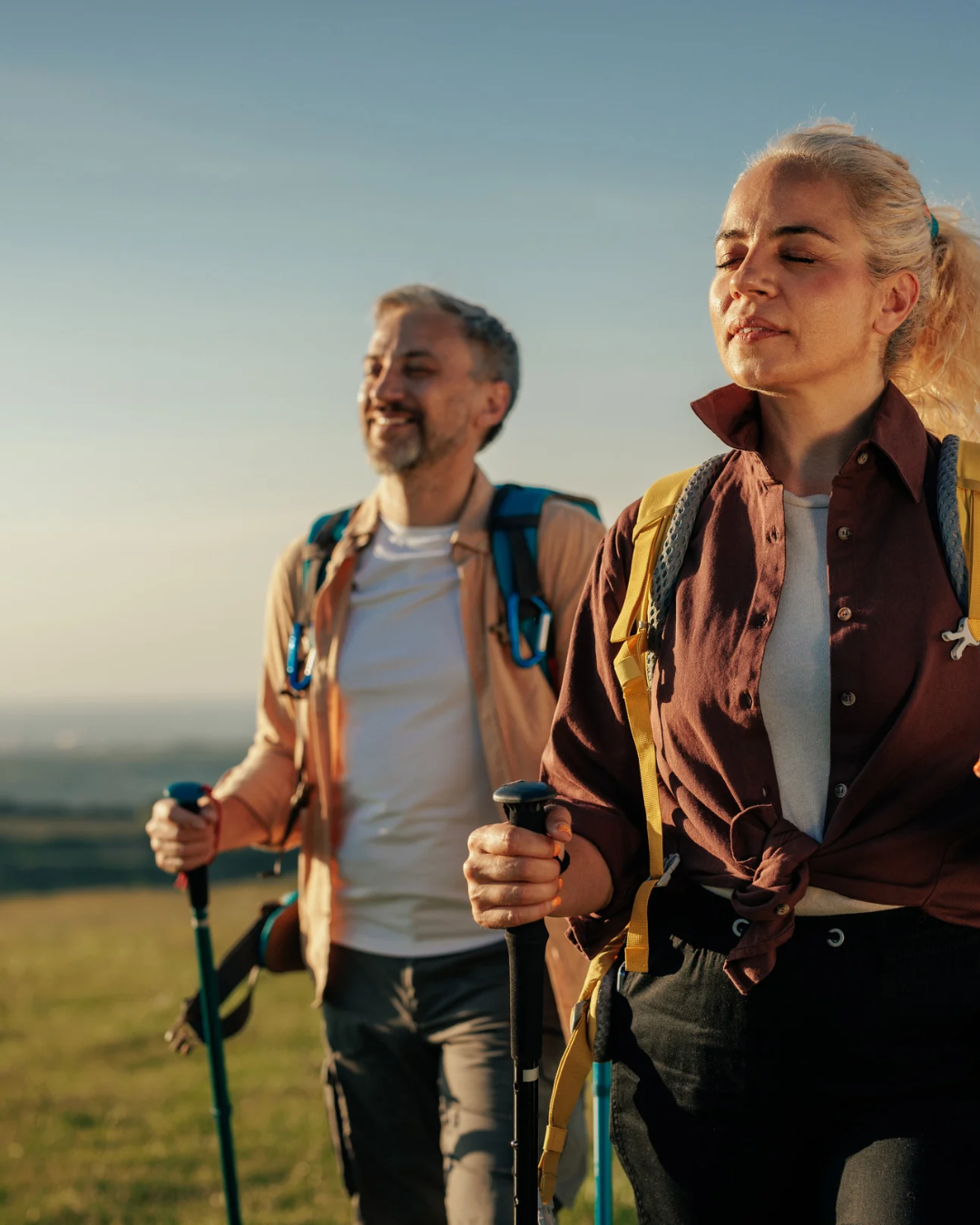
‘Silver’ travelers are emerging as a powerful force in hospitality as the growing generation of travelers in their 60s and beyond, with retirement opening the door to a new chapter of discovery. According to Skift Research’s recent Silver Tsunami report, U.S. retirees represent nearly $100 billion in annual travel spending, with mature travelers prioritizing journeys they consider meaningful and worth the investment. Thoughtful service, personal interaction and accessibility are central to the experience, alongside opportunities to explore with children and grandchildren. This appetite for discovery remains an active one: at Castle Hot Springs, Arizona’s historic desert wellness retreat celebrating its 130th anniversary this year, the Resort’s adventure team reports little discernible difference between activities guests in their 60s and 70s choose and those favored by younger visitors.
This momentum is also redefining what it means to leave a legacy. The Global Coalition on Aging and Transamerica Institute’s July 2026 report highlights Baby Boomers’ growing interest in investing in shared travel memories, citing research that 57% of families have taken multigenerational trips in recent years or plan to do so. Looking ahead to 2027, we expect hospitality brands to respond with more flexible family accommodations, enriching cultural programming, and adventures adaptable to different age ranges, interests, and abilities to ultimately bring generations together—making new chapters in life just as much about connection as exploration.
Silver Travelers, Lasting Legacies
The Hobby Is the Holiday
02
From Local Traditions to Personal Passions: The Evolution of Experiential Travel
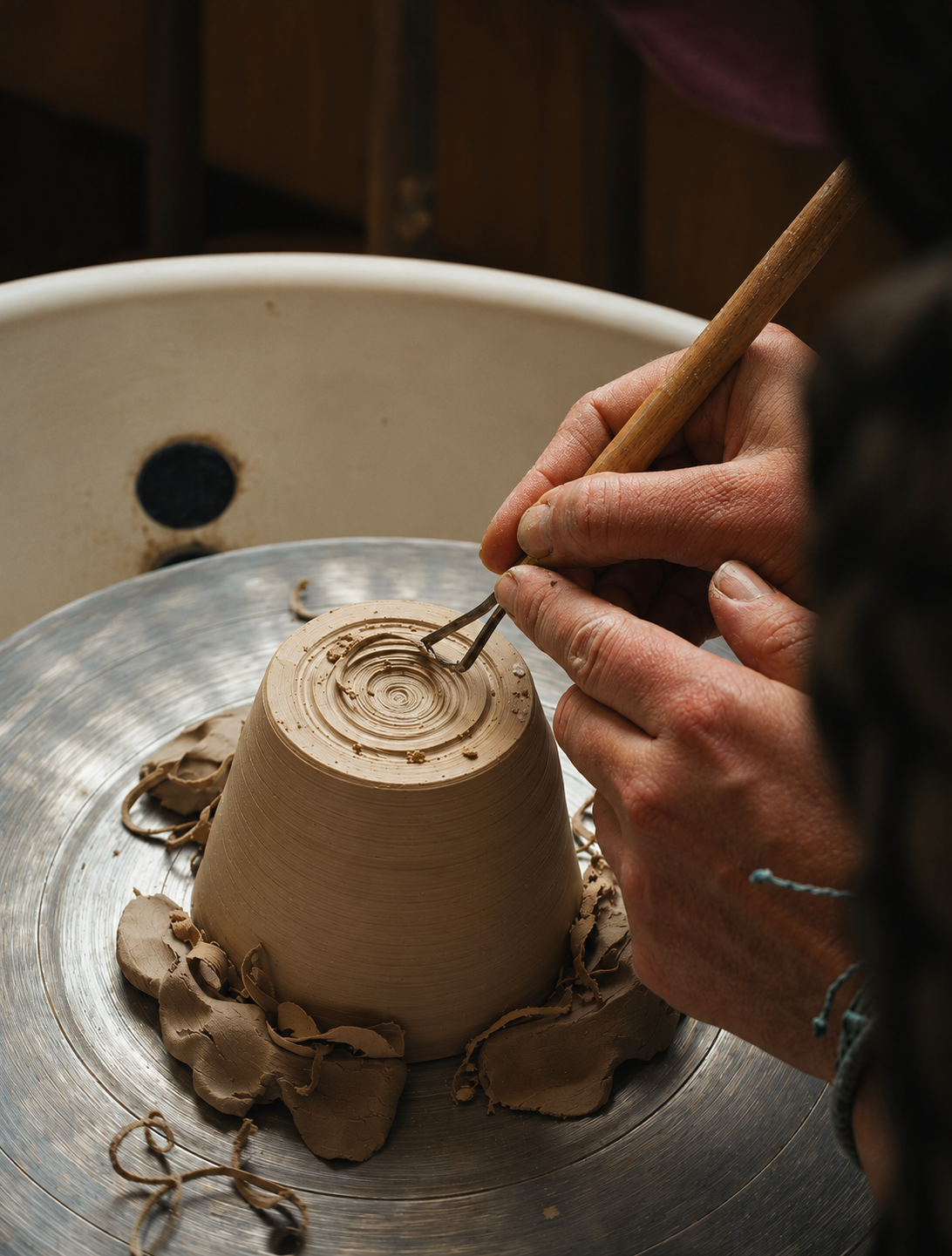
Luxury travelers are moving beyond simply seeing a destination to learning the crafts and traditions that define it. From painting and pottery to regional cuisine and centuries-old artisan techniques, the rise of the “craftcation” is turning cultural immersion into a hands-on experience, a shift recently explored by Condé Nast Traveler. In 2027, this movement is evolving from learning a new skill on vacation to planning entire getaways around newfound personal passions – enter: the hobby holiday.
The numbers reinforce this shift: craft classes were the fastest-growing experience category on Tripadvisor in 2026, with bookings up 88% year over year. Meanwhile, Hilton's 2027 Trends Report found that 42% of travelers have discovered new interests through travel, while Expedia Group's Unpack '27 reports that 68% of surveyed travelers are likely to take a hobby-focused trip in 2027. From ceramics retreats and hobby weekends such as painting classes and workshops with local artists and makers at Hotel Willa in Taos, New Mexico, to immersive nature experiences like guided birdwatching at Wequassett Resort & Golf Club on Cape Cod, expect luxury hotels to transform hands-on experiences into reasons to travel, creating curated getaways that connect personal passions with local culture, craftsmanship, and like-minded communities.
79% of travelers say fresh air and spending time outdoors are essential to relaxing on vacation
The Hotel Restaurant Renaissance
03
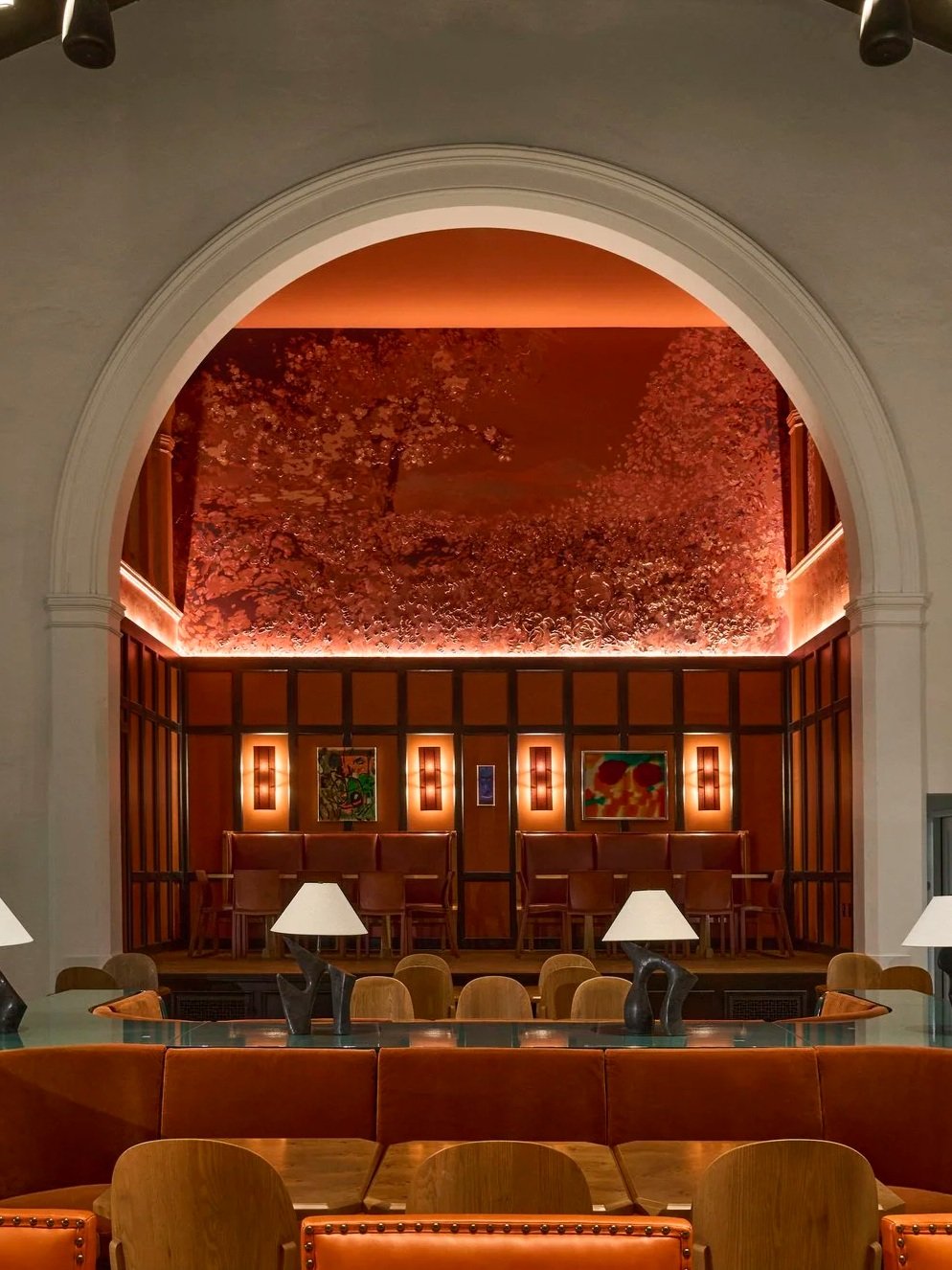
Something interesting is cooking past the front desk. Bold chef collaborations, culinary partnerships, and unexpected restaurant concepts are making dining a defining part of a destination—and a reason travelers choose a hotel stay these days. The Financial Times’ recent roundup of seven standout hotel restaurants, from Sydney’s Saint Peter to New York’s Café Carmellini, captures this shift toward stays with a distinct culinary identity.
Across California, the appeal lies in the unexpected. Chef Edoardo Baldi’s eponymous Baldi at Waldorf Astoria Beverly Hills pairs Tuscan steakhouse traditions with inspired pasta, while Gemma brings the bold pan-Asian flavors of Southeast Asia 12 stories above Beverly Hills. Beneath Hotel Lucile’s original stained glass, chef Patrick Costa’s Sous Sous finds common ground between Marseille and Charleston through seafood, spice and Southern hospitality. At Alila Napa Valley, Mark Shoemaker’s Violetto brings a quietly rebellious, garden-driven sensibility to wine-country dining. Maxwell Pfeiffer’s Sky Room at Fairmont Breakers Long Beach revives Beef Wellington, caviar and tableside fire with just enough old-Hollywood theater.
In the year ahead, we expect more hotels to build experiences worth traveling for around the table: guest-chef residencies, unexpected culinary collaborations, garden-led menus and cocktail programs rooted in local culture. The dinner reservation becomes part of planning the trip—and the beginning of choosing where to stay.
The New Destination is The Reservation

From Page to Place
04
From Spine to Suitcase: The Rise of The Readaway
What started as BookTok pilgrimages and bookshop crawls now shapes where travelers choose to stay. SmartFlyer’s 2027 Travel Trends Report names literary-inspired travel as one of the year’s defining luxury shifts, as readers look for itineraries that connect them to place and fellow book lovers. 71% of Gen Z and Millennials have expressed that they want a Gothic-style stay, with storied hotels and destinations rooted in folklore or legend (Hotels.com). In Kennebunkport, Maine, The Cottages at Cabot Cove, The Lodge on the Cove, Hidden Pond, and Cape Arundel Inn & Resort are embracing that appetite with Blind Date with a Book, created in partnership with Louis T. Graves Memorial Library. Guests choose from wrapped books labeled only with clues instead of a title or author, which nudges them toward new subjects and writers they might not have ever picked up previously.
In 2027, the story also moves to the screen, and travelers will follow it there. Expedia Group’s Unpack ‘27 found that nearly half of travelers have researched or booked trips to destinations from films and series that haven’t premiered yet. Its 2027 watchlist includes the adaptation of Emily Henry’s Beach Read, set on Lake Michigan. Looking ahead, expect hotels to write themselves into the plot through reading retreats, author partnerships, and adaptation-timed packages that turn a guest’s favorite book into the reason to book.
The 2027 traveler is still booking, just more strategically. For 70% of Americans, a destination’s buying power drives the choice, and 65% have turned a great deal into a bigger travel splurge.

The Analog Travel Revival
05
Trading Algorithms For Authenticity
In an increasingly digital, AI-driven world, travelers are embracing slower, more meaningful experiences. Both Skyscanner’s 2027 forecast and SmartFlyer’s 2027 Travel Trends Report highlight a growing appetite for stepping away from screens and returning to analog, human experiences that foster connection.
From “deadzoning”—intentionally seeking out destinations without reliable connectivity—to adventure vacations and social wellness, we see a common thread: disconnecting creates room for shared experiences, spontaneous conversation, and stronger social bonds. Booking.com’s 2027 Travel Predictions found that 68% of U.S. travelers who have traveled alone say that shared physical activities have led to lasting friendship, while Vogue’s recent spotlight on adventure holidays explores how hiking and outdoor pursuits have turned solo trips into enduring connections among women—forming circles of friends who reunite for new adventures.
A new wave of analog travel has also given the hotel’s familiar “third space” role a more intentional purpose: bringing guests and locals together around experiences worth putting their phones down for. Hotels are bringing this to life by way of neighborhood-run clubs with USAL Project at Hotel Lucile, guided group hikes and communal meals at The Ranch Malibu, and full-vinyl album playthroughs at Virgin Hotels London-Shoreditch’s Hidden Grooves. The opportunity for 2027 lies in making these analog experiences part of a property’s identity, with welcoming hosts and recurring social rituals that help travelers find a like-minded community—and new reasons to return.
The Hotel Is the New Storefront
06
Tapping Tastemakers for a New Era of Collaboration
As unexpected brand ambassadors and tastemakers shape a new era of brand partnerships, retailers are turning to hotels as their newest storefronts. Skyscanner’s 2027 Travel Trends identifies “Merch Tourism” as a defining movement, with 43% of U.S. travelers having taken a trip in the past 12 months to purchase something unavailable online.
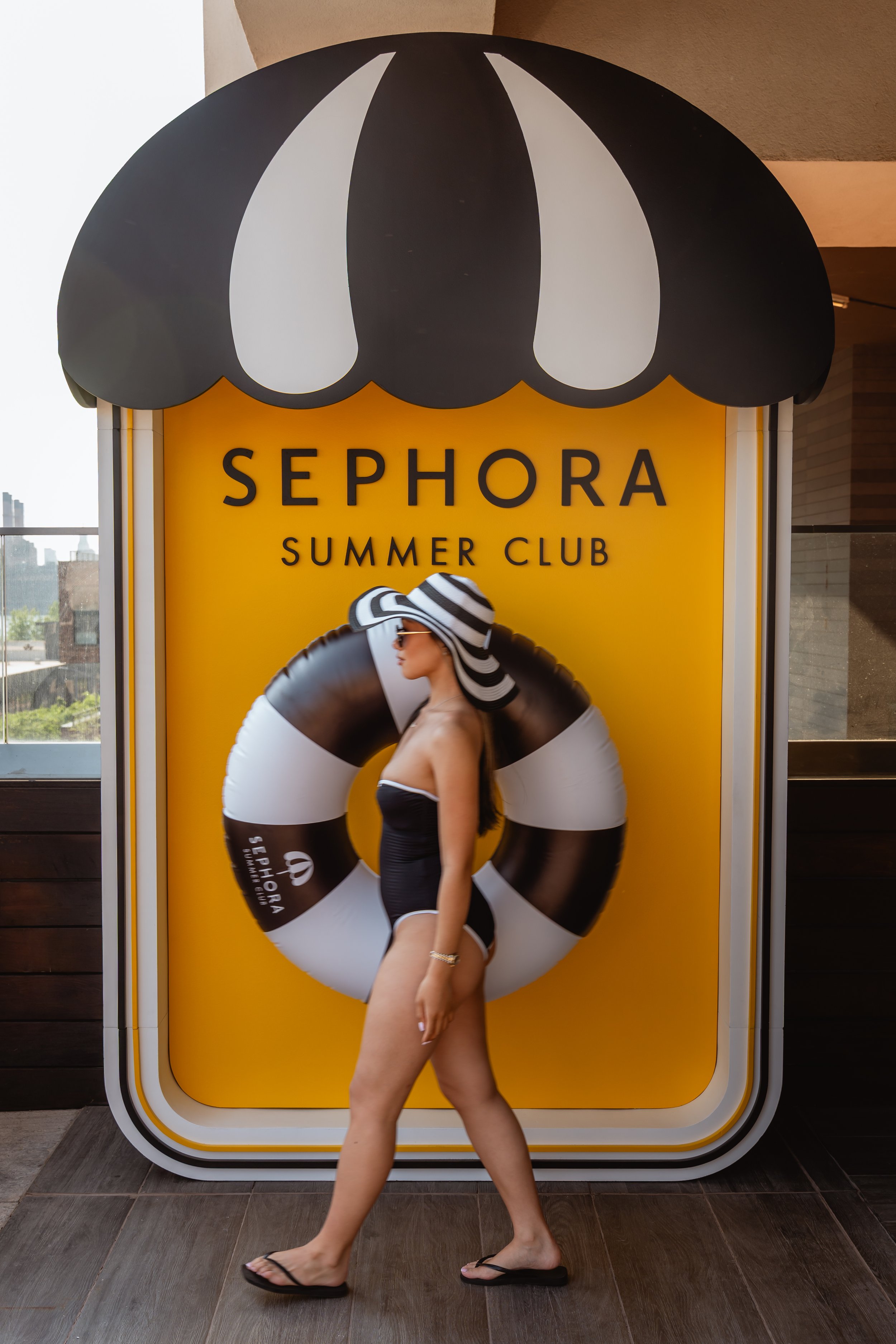
Beauty, lifestyle and fashion brands are checking in—and bringing this shift to life with shoppable, immersive retail experiences only available at hotels. Self-care became a poolside affair with Sephora’s first-ever Summer Club at The William Vale and Isla Bella Beach Resort, while The Ritz-Carlton x MERIT Beauty elevated everyday rituals with curated in-room essentials and limited-edition travel kits. The Hoxton x Lacoste, created with artist Michael McGregor, turned room service into an exclusive fashion collection. And at Four Seasons Resort Maui, the Hawai‘i debut of Pantry Maui by Madhappy—the brand’s first location beyond its retail storefronts—made location-exclusive collectible merchandise and specialty goods part of the stay.
Moving into 2027, we expect to see more hotels tapping into unexpected, tastemaker-led collaborations, moving away from the age of the influencer and toward the rise of what we have coined the “influential” – tapping experts, founders, and local makers to curate one-of-a-kind experiential pop-ups and out-of-the-box events across hotels through shoppable interiors, limited-edition fashion collections, and immersive retail experiences.
58% of U.S. travelers would be interested in joining a community of like-minded people while traveling
The Human Premium in the Age of AI
07
AI plans the itinerary. People make it worth the trip.
AI is changing how travelers discover destinations and plan their trips. McKinsey’s latest U.S. traveler research found that 71% are comfortable using AI for inspiration, while 86% would consider AI bookings in the future. Even as these tools become part of the planning process, travelers still value advice from people who know a destination firsthand. Hilton’s 2027 Trends Report found that U.S. travelers most often named hotel staff as their most trusted source for restaurant recommendations and hidden local experiences. ELLE also highlights the renewed appeal of luxury travel advisors, whose personal recommendations, relationships, and insider access bring something distinct to the experience.
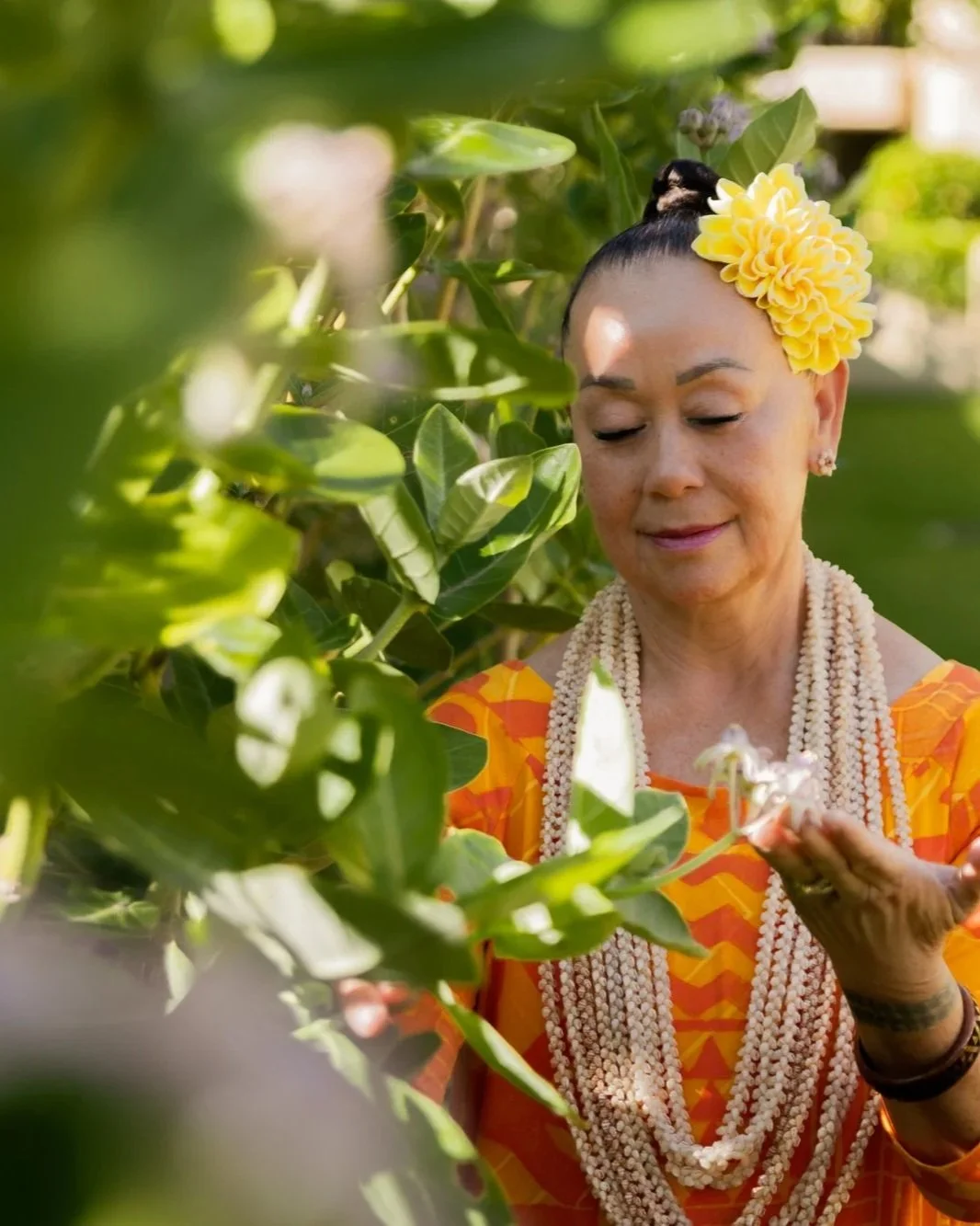
In 2027, we expect that personal touch to carry even more value: a bartender who knows where to eat after midnight, a concierge’s relationship with a local artist, or a local guide’s firsthand knowledge. At The Perry Hotel & Marina Key West, a dedicated concierge draws on local connections to arrange experiences such as secluded sandbar excursions and private snorkeling charters. At Four Seasons Resort Maui at Wailea, Director of Hawaiian Programs Aunty Mopsie Tuivaioge brings The Queen’s Garden to life alongside Hawaiian kumu and cultural practitioners, sharing Queen Liliʻuokalani’s legacy and Hawaiian history through guided tours, storytelling and the art of hula. For hotels and destinations, the opportunity is to strengthen AI visibility while making those people and relationships a more visible part of their story.
The Recalibrated Travel Map
08
Climate Is Rewriting the Travel Calendar
As climate volatility reshapes destinations and traditional travel seasons, the industry faces its next frontier: adaptation. Rising temperatures, shifting wildlife migrations, coastal erosion, and extreme weather are challenging long-held assumptions about when and where to travel.
The next era of responsible tourism will be defined not only by the places we preserve, but by our ability to adapt to a changing world, as highlighted by the Organization for Economic Co-operation and Development (OECD), with climate resilience and adaptation becoming increasingly important to the future of hospitality.
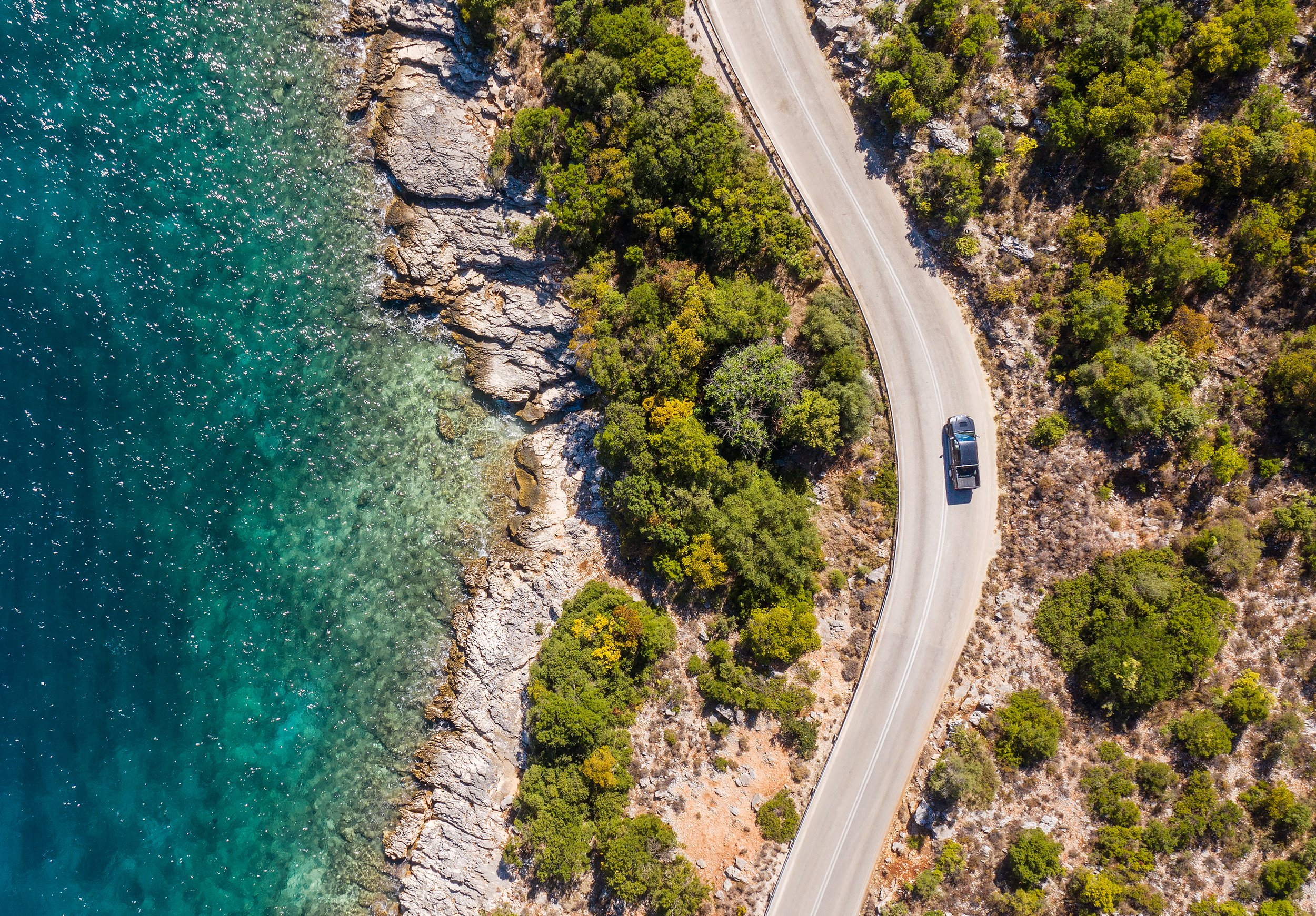
The World Meteorological Organization's forecast of a powerful El Niño extending into early 2027 means flexibility and resilience are essential considerations for travelers and hospitality brands alike. For hotels, this means rethinking seasonal programming, strengthening coastal ecosystems, and investing in the long-term health of their destinations. At Wequassett Resort & Golf Club on Cape Cod, shoreline restoration and oyster-shell recycling support the recovery of Pleasant Bay's coastal habitats. In the Florida Keys, Isla Bella Beach Resort & Spa invites guests to participate in mangrove planting and marine conservation—turning environmental stewardship into a tangible part of the travel experience.
Sustainability was about reducing our footprint. Regeneration was about leaving places better than we found them. In 2027, adaptation is about ensuring those places—and the experiences they make possible—have a future.
There is no Planet B.
The New Wellness Currency: Feeling Better, Longer
09
From Longevity Labs to the Lost Art of Rest
The next frontier of wellness travel isn't simply about living longer; it's about living better. Contrasting the rise of biohacking, longevity clinics, and optimization culture, 2027 points to a simpler, more balanced approach to well-being—favoring ancient healing traditions, nature, and the increasingly elusive luxury of doing less.
The shift is already evident as Hilton's 2027 Trends Report finds that 65% of travelers seek experiences that calm and reset the nervous system, while Booking.com's 2027 research reveals that 85% have returned from a vacation more tired than when they left. Meanwhile, the Global Wellness Institute identifies a rise in travelers seeking restorative sleep, nature-led experiences, and credible longevity programs – pointing to a growing appetite for travel that prioritizes genuine restoration over packed itineraries and prescriptive wellness programs.
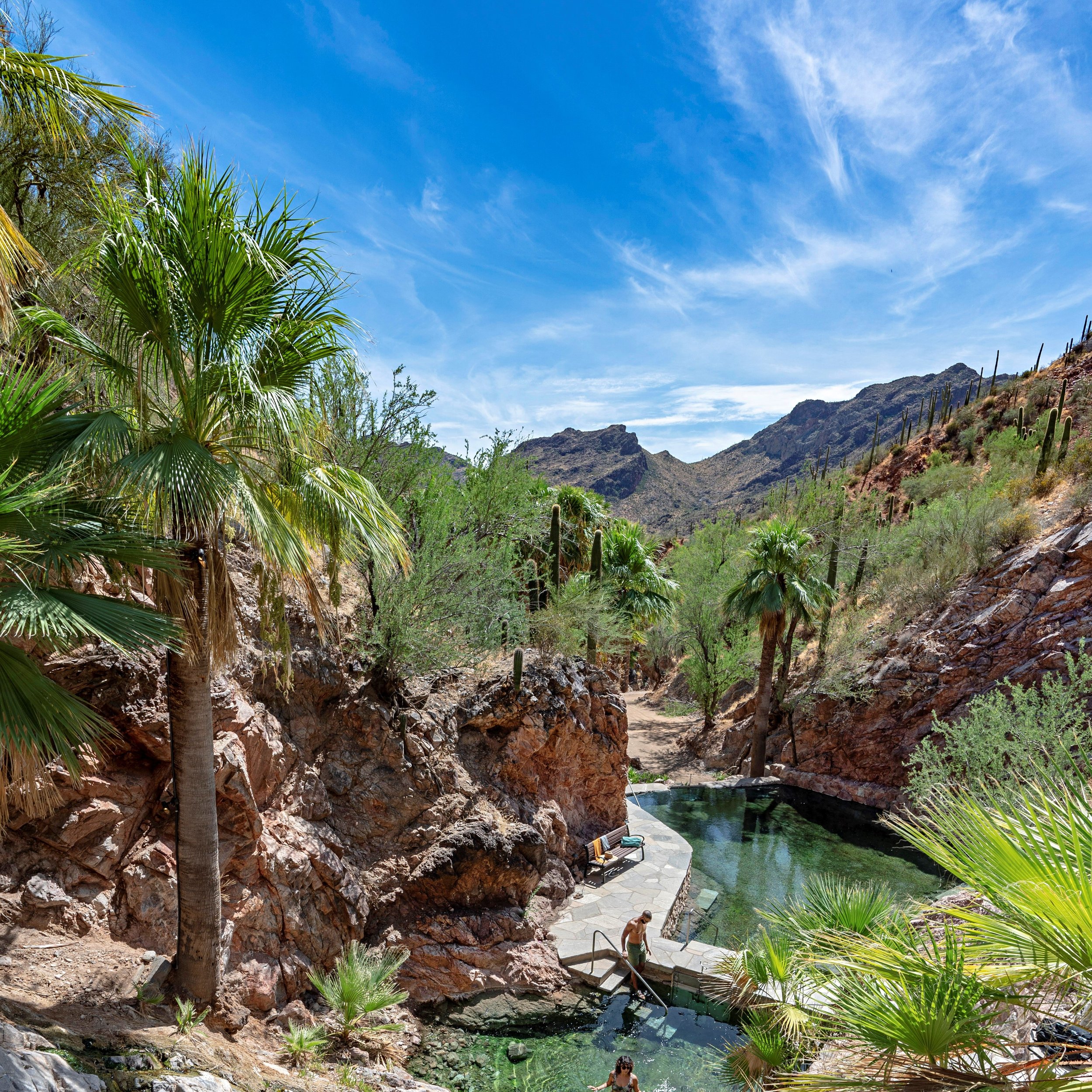
For luxury hospitality, wellness is moving beyond the treatment room and into the very fabric of the stay. Ancient healing traditions are finding new relevance alongside modern recovery science, while thermal rituals, movement, and time outdoors are becoming as integral to the experience as the spa itself. At Castle Hot Springs in Arizona, that can be as simple as an after-dinner soak in the resort’s natural mineral springs beneath the Sonoran Desert’s dark skies. The next evolution of wellness travel is less about the number of treatments on offer and more about what guests take away, offering room to recharge on their own terms and build healthier habits that help them feel better long after checkout.
26% of U.S. millennials identify merchandise or custom retail goods from historic, boutique or luxury hotels as the purchase they are most proud to bring home
WANDERLUST IN OVERDRIVE?
EXPLORE THE DESTINATIONS PIQUING OUR INTEREST IN 2027